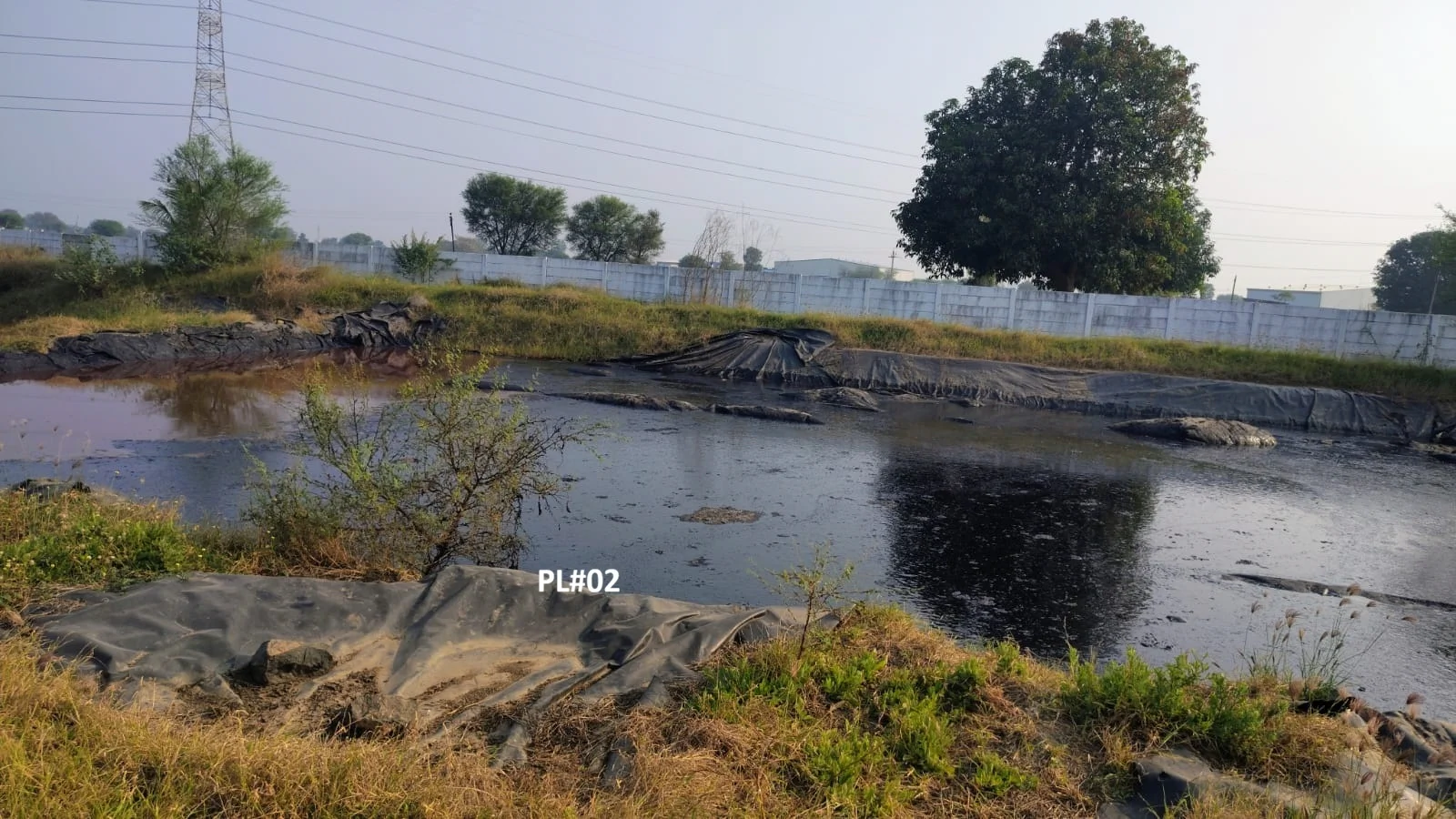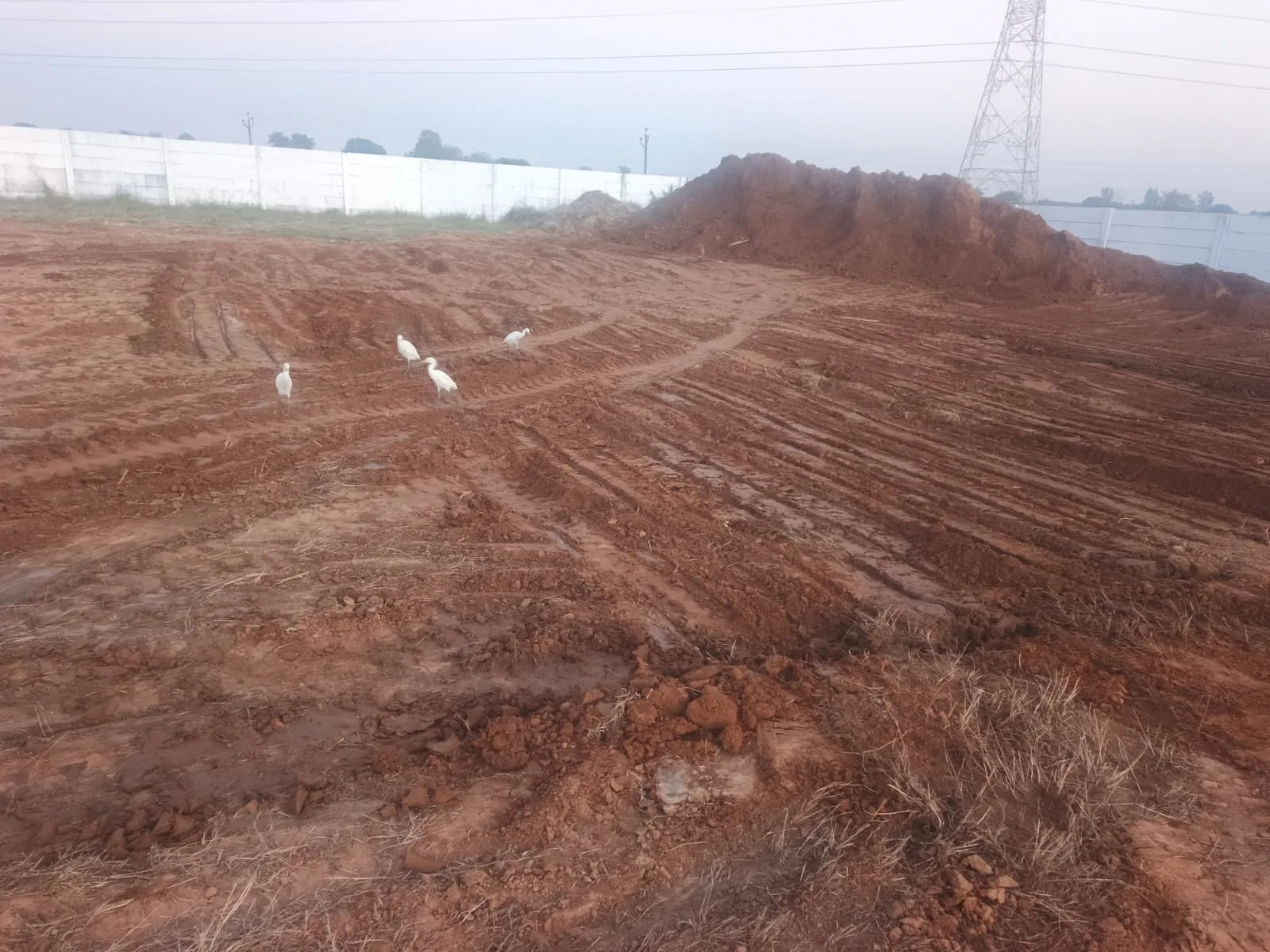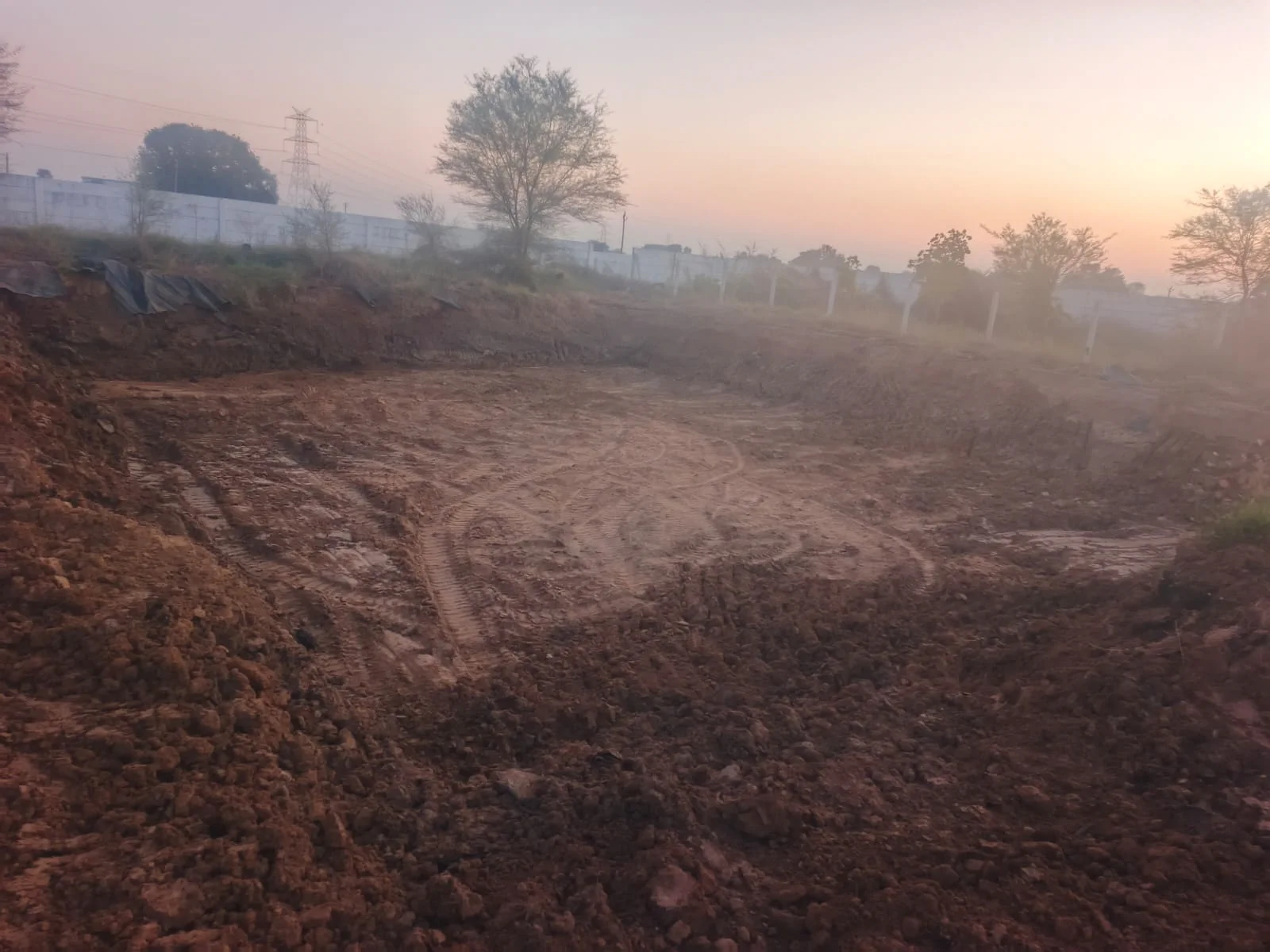
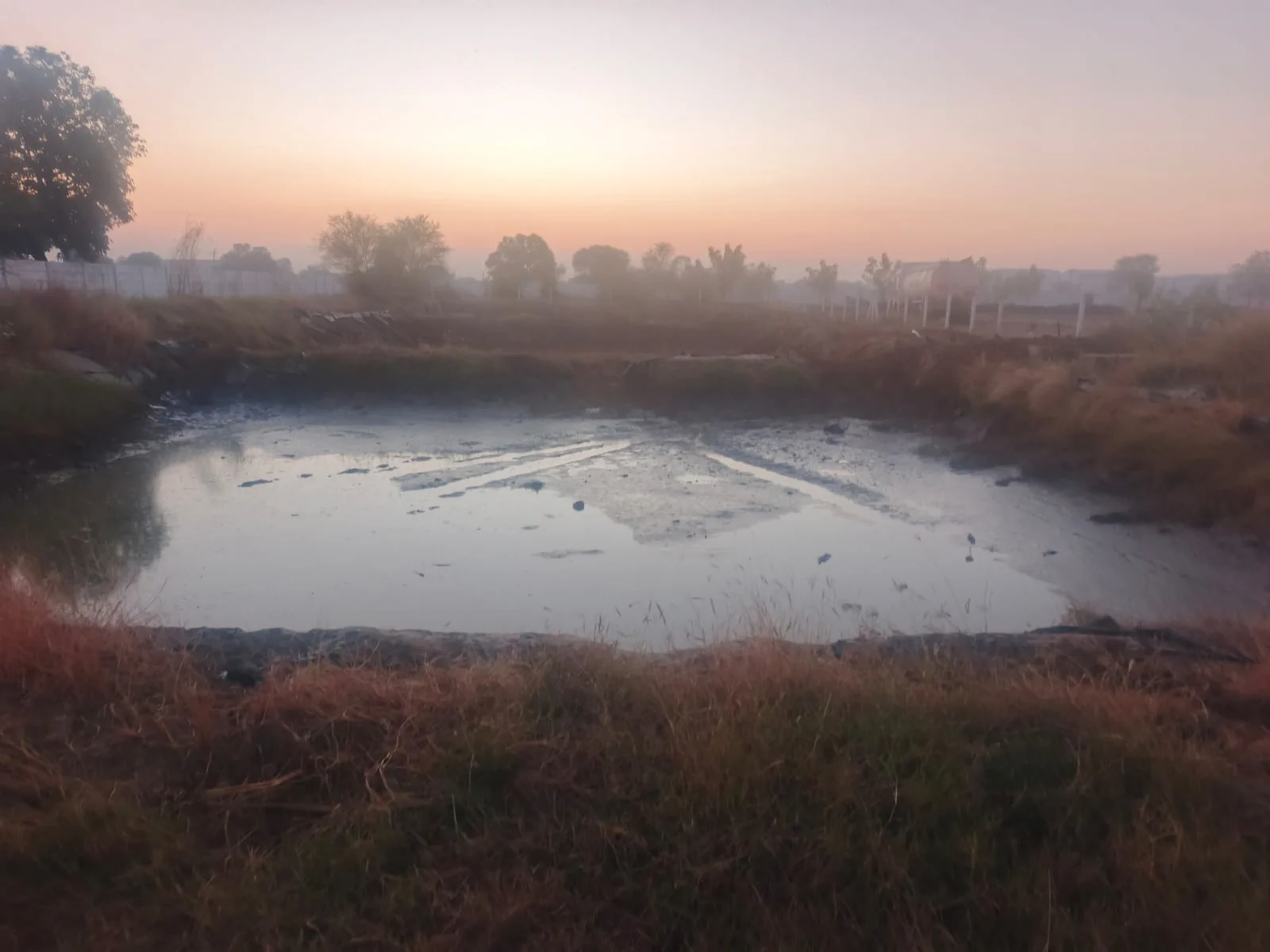
E&P oily sludge is one of those waste streams where "good intentions" are not enough. The disposal route has to match the waste characteristics, the facility's approvals, and the documentation trail you will need later during audits.
This guide helps you decide between TSDF (Treatment, Storage, and Disposal Facility) and cement kiln co-processing for suitable oily sludge streams, using a practical checklist you can run internally before finalizing the route.
- Know when TSDF is the default and when co-processing can be considered.
- Use a simple decision checklist for eligibility, acceptance, and approvals.
- Keep manifesting and chain-of-custody documents aligned with what actually gets transferred.
When TSDF is the default route
In many E&P scenarios, the most straightforward approach is to route oily sludge through authorized TSDF treatment, storage, and disposal pathways. That route is built for regulated waste handling, with facility controls and a documented acceptance process.
Treatment and secure disposal
TSDF facilities are set up to treat waste streams so they can be safely handled and disposed through approved methods. For an E&P operator, the practical win is consistency: defined handling steps, defined receiving expectations, and a paper trail that is easier to audit.
Manifests and audit-ready records
Regardless of route, you will typically manage consignment-level documentation (for example, Form 9/Form 10 in the Indian HWM framework) so the origin, transporter, and receiving facility details match the actual waste consignment. When that alignment is maintained, audits usually require fewer clarifications.
When co-processing can be considered
Cement kiln co-processing can be considered only when the oily sludge stream and facility approvals align. Many operators treat this as an option worth exploring, not as a default swap.
Cement kiln co-processing for suitable waste streams
Co-processing involves feeding eligible industrial waste into a cement kiln under controlled conditions. The facility acceptance process is usually tied to suitability checks and approved categories. In practice, it may include planning for a trial/test burn for the waste characteristics.
Useful starting point: CPCB-linked co-processing guidance for plastics and related streams is one reference you can review with your waste partner. See co-processing guidelines.
A practical decision checklist for oily sludge
If you want a fast way to reduce uncertainty, run this checklist before you finalize the route with your logistics and disposal partners.
-
Classification and category mapping
Confirm how your oily sludge is classified and described for the HWM framework. Your route decision will only hold if the documentation reflects the same category you are transferring.
-
Waste characteristics (compatibility for the receiving facility)
Co-processing and TSDF acceptance will depend on characteristics such as consistency, contaminants, and suitability for controlled treatment.
-
Approvals and acceptance capability
Ask each potential facility what approvals cover your waste stream and what acceptance criteria they follow for scheduling.
-
Documentation that mirrors the consignment
Ensure your manifest entries, waste description, and quantity fields match what your transporter hands over and what the receiving facility records.
-
Trial/test planning (only if required by the route)
If co-processing acceptance depends on trials or test burns, treat this as part of compliance planning, not as an afterthought.
What documentation auditors usually expect
For oily sludge, your documentation needs to connect these dots: waste generation, classification, storage and handling, transport, receiving, and final disposal outcomes.
- Waste category/description used for consignment documentation
- Manifesting records (commonly referenced as Form 9/Form 10 in this framework)
- Transporter and receiving facility authorizations (CPCB/SPCB approvals where applicable)
- Disposal completion certificates from the facility
- If using co-processing: facility acceptance notes and any trial/test records linked to approvals
Frequently Asked Questions
What does TSDF stand for?
TSDF stands for Treatment, Storage, and Disposal Facility. It is the facility route used for regulated waste handling and disposal in many HWM scenarios.
Does co-processing replace TSDF?
Not automatically. Co-processing is an alternative route for suitable waste streams and approved facilities. For many cases, TSDF remains the default.
How do we prove eligibility for oily sludge?
Eligibility comes from matching the waste classification and characteristics to the approved facility acceptance criteria, plus consistent consignment documentation.
Where do manifests and chain-of-custody fit?
They track the consignment across the waste chain. When the manifest details match the actual waste transfer and the receiving facility accepts and records it, audits are simpler.
If you want to tighten your TSDF/co-processing decision process for oily sludge, visit our services or contact Dude Waste Management for route planning and documentation support.