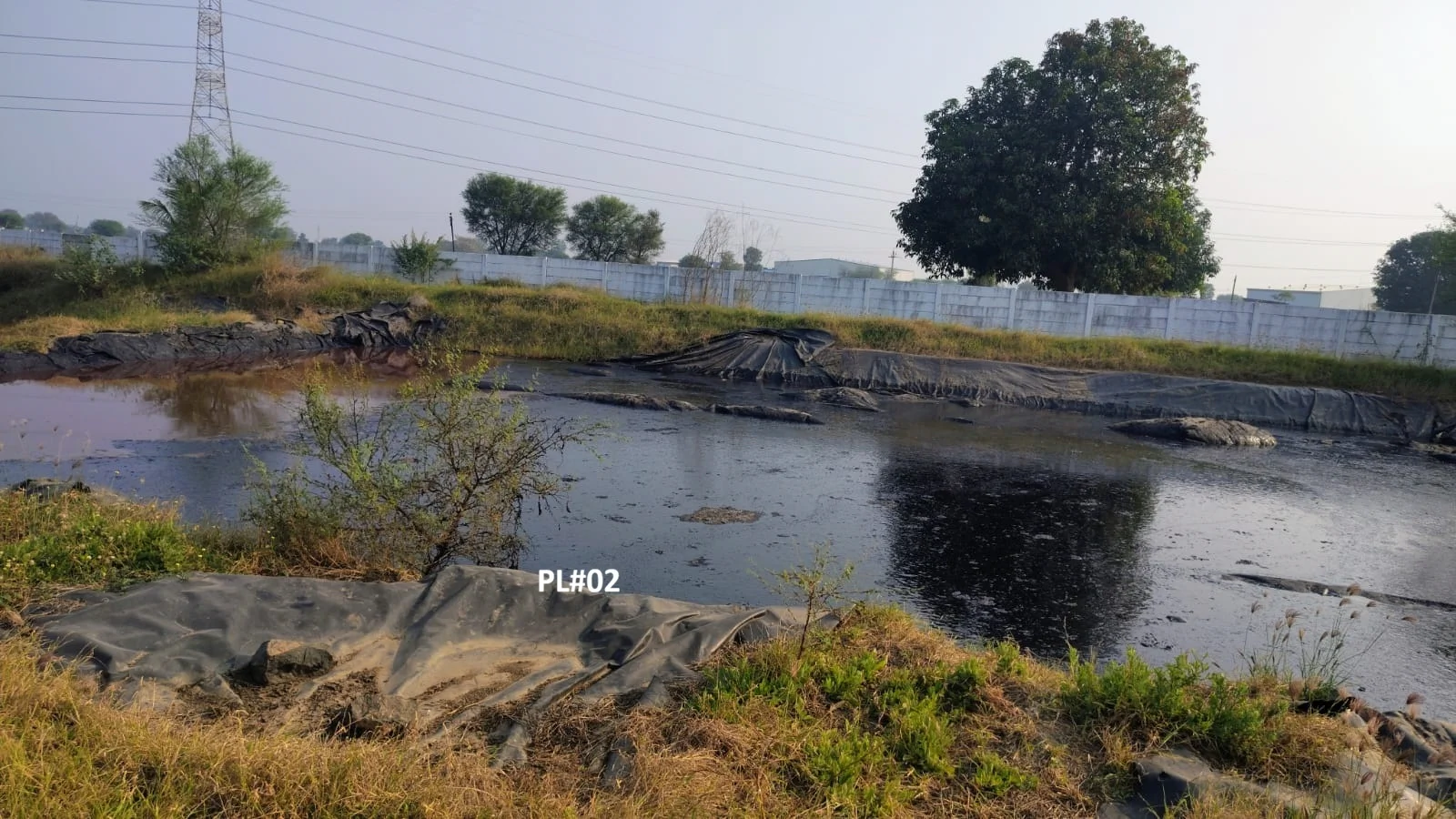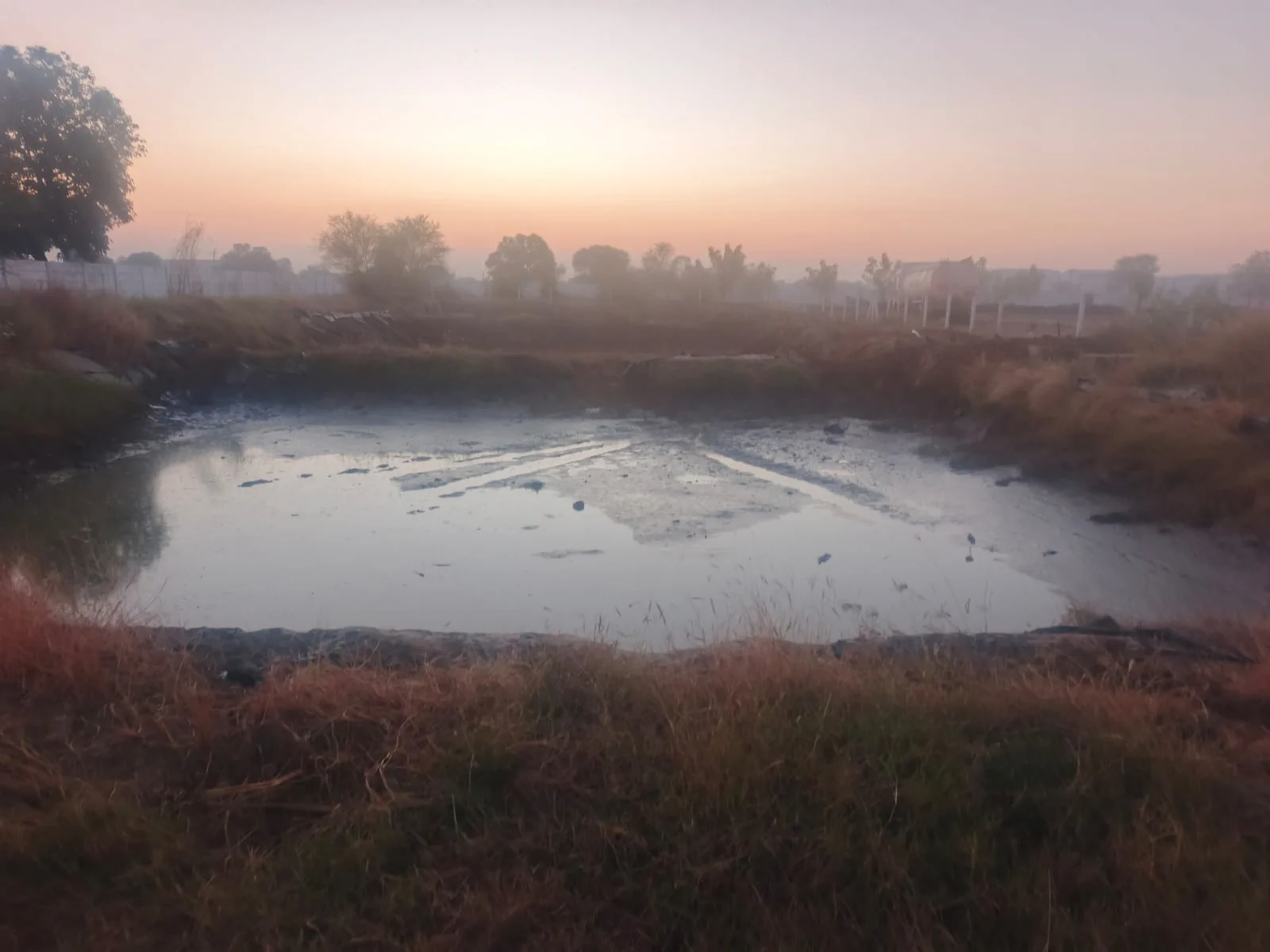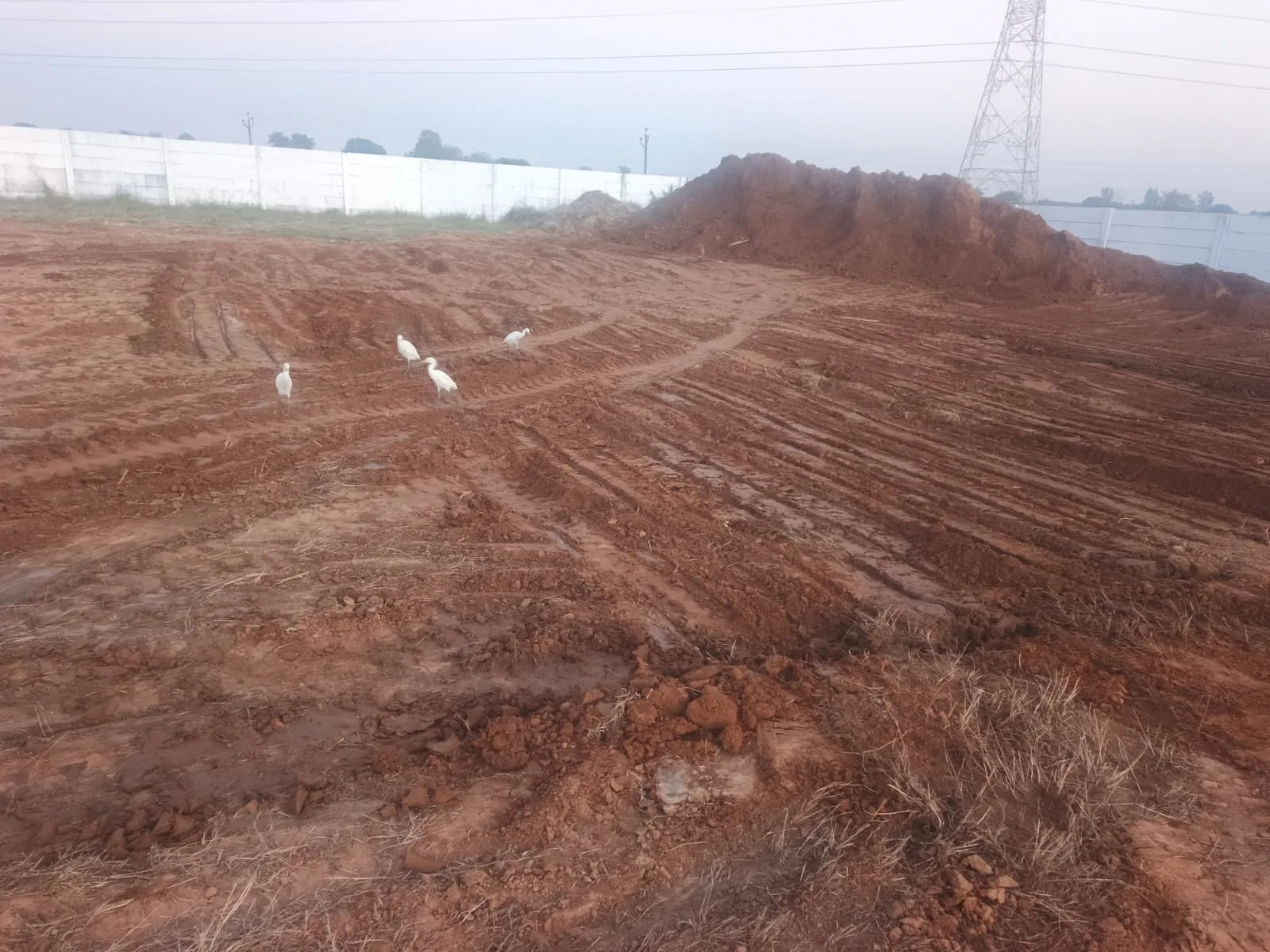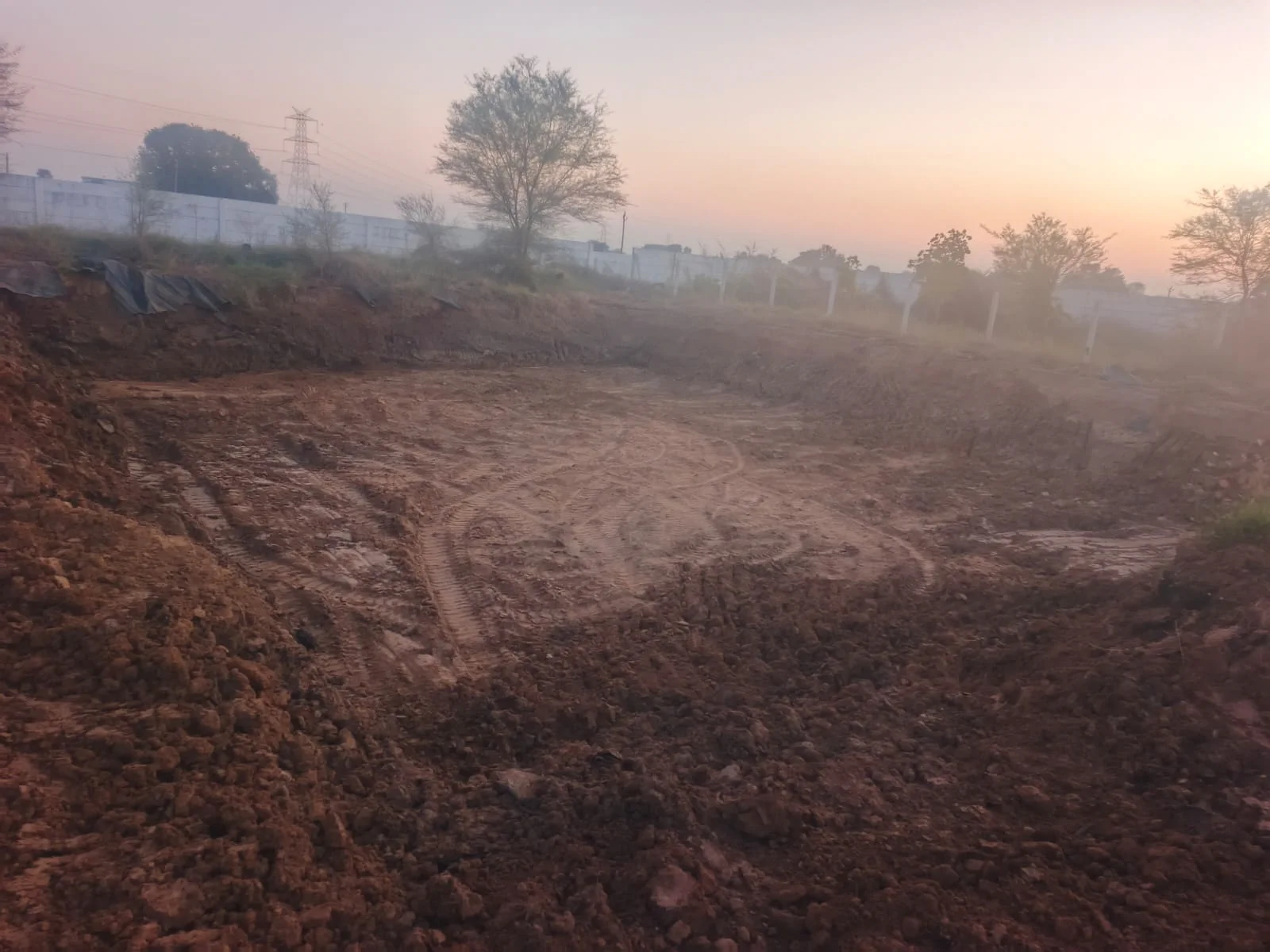
E&P sites rarely deal with just one waste stream. Alongside hazardous waste, you may also manage biomedical waste from camp facilities, e-waste from field offices, and other regulated categories that require consistent documentation.
When the work is spread across multiple vendors, it is easy for segregation routines, schedules, and paperwork to drift out of sync. A single waste management vendor is often the simplest way to reduce that risk.
- Reduce compliance risk by keeping classification and documentation consistent.
- Improve planning with one coordinated schedule across waste types.
- Make audits smoother with one chain-of-custody trail.
Single vendor reduces compliance gaps
Compliance is not only about disposal. It is also about what your site team does before the waste leaves the gate: segregation, packaging, labeling, handover timing, and the information that ends up in manifests and closing certificates.
Coordinated collection and consistent documentation
A single vendor can align the operational flow: when waste is collected, which stream is handled first, how documents are prepared, and how disposal completion records are returned to your team.
One point of contact for hazardous, BMW, e-waste, and more
For E&P operators, “who do I call?” becomes an actual operational question. One waste partner typically means:
- One point of contact for scheduling and on-site coordination
- One compliance process for manifests, certificates, and closing documents
- One documentation standard for chain-of-custody clarity
Vendor checklist (what to ask before you commit)
If you want the single-vendor model to work, validate it early with a short checklist.
-
Coverage across your waste streams
Confirm the vendor can handle hazardous waste, TSDF routes, biomedical/medi-waste processes, and e-waste management under EPR.
-
Authorized facilities and clear disposal pathways
Ask which authorized TSDF/recycling partners are used and how co-processing eligibility is handled for suitable streams.
-
How manifests and chain-of-custody are managed
Make sure the vendor keeps consignment details aligned and can support audit questions with consistent documentation.
-
Response times for site changes
In the field, waste volumes can change quickly. Your vendor should have a clear way to reschedule pickups and update documentation.
-
Ability to support documentation closure
Ask how disposal certificates are delivered and how quickly your team can access closing documents.
How this supports audits and ESG reporting
Auditors and internal compliance teams look for consistency: the waste described should match the waste transferred and the waste disposed. A single vendor model usually improves that consistency because the same process and people manage the flow.
If you want a deeper dive into manifesting and audit-ready documentation, see: Manifest and Chain of Custody: Staying Compliant for Audits.
Frequently Asked Questions
Can one vendor handle all waste streams on an E&P site?
In many cases, yes. The key is authorized coverage and operational capability across hazardous waste, biomedical/medi-waste, and e-waste handling under EPR.
How do we avoid duplicated paperwork when switching to one vendor?
Build a single documentation standard for consignment records and disposal certificates. Align waste categorization at source and keep manifest details consistent.
Do you provide disposal certificates and closing documents?
A compliant vendor should provide disposal completion records from authorized facilities so your team can close the loop for audits and reporting.
If you want help setting up a single-vendor waste management plan for your E&P sites, browse our services or contact Dude Waste Management.