Field waste handling is a logistics problem as much as it is a compliance problem. The right fleet assets reduce time on site, improve safe handling, and keep documentation consistent from pickup to disposal.
- Understand when to deploy vacuum tankers vs controlled vacuum transfer (VLTS).
- Know where JCBs, tippers, and loaders fit into waste transfer and packaging.
- Use a quick HSE checklist before fleet movement begins.
Vacuum tankers: handling wet streams and oily sludge
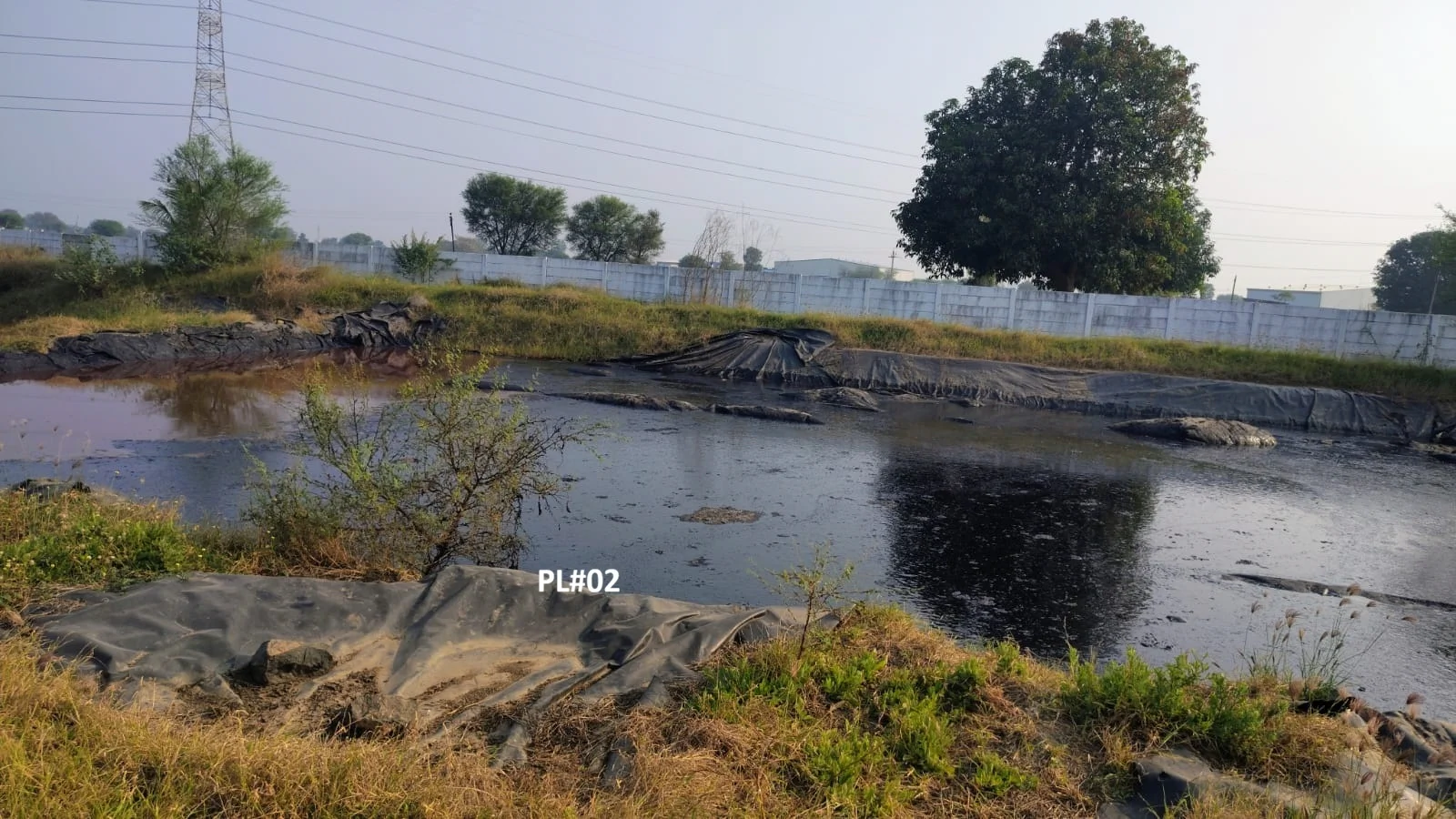
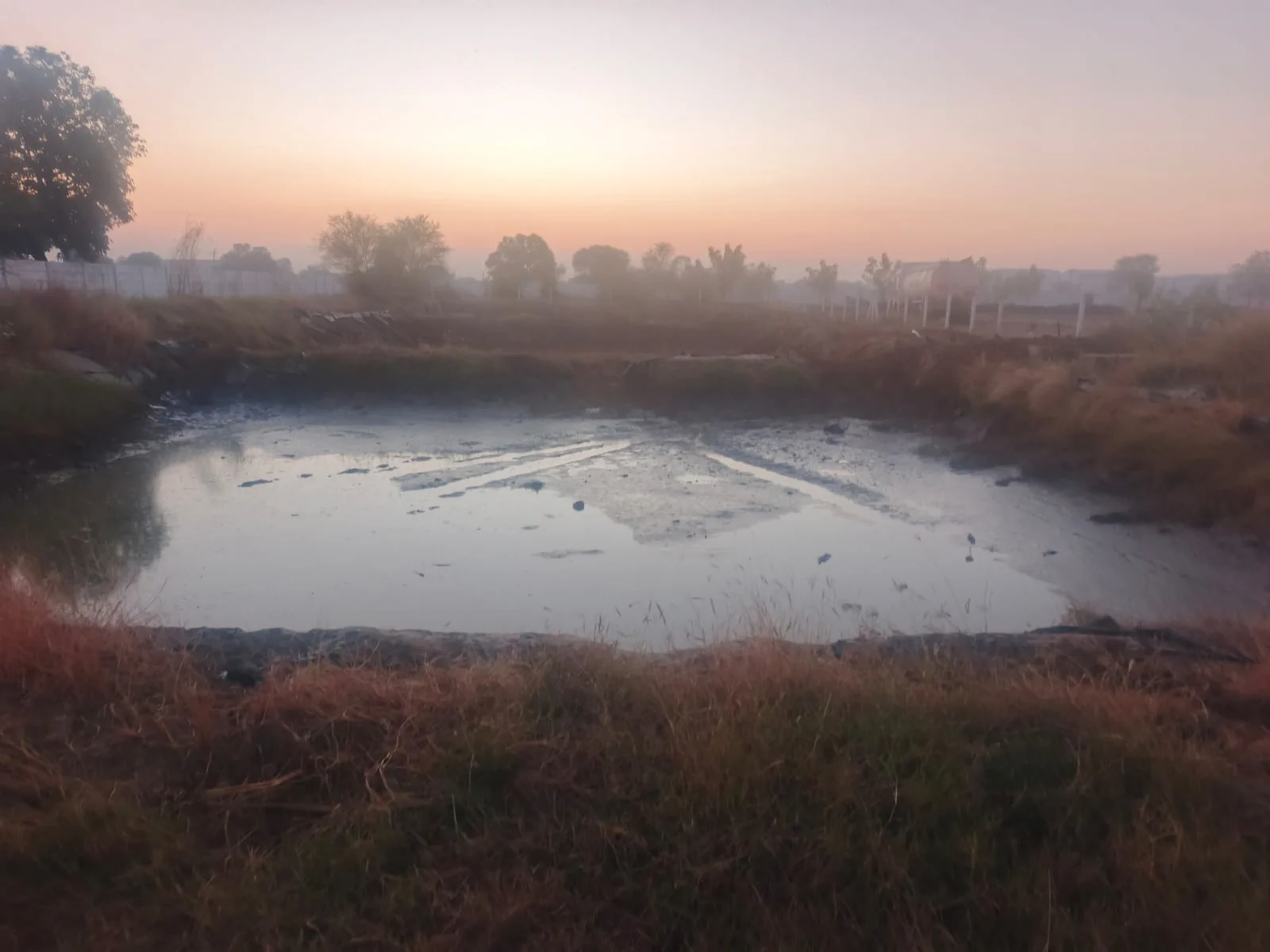
Vacuum tankers are commonly used when waste is in a wet form (sludges, oily liquids, and contaminated residues) and when you want controlled suction-based transfer instead of manual transfer at the point of generation.
When vacuum tankers are a good fit
- Waste is sludge-like and needs suction-based transfer
- Site needs faster mobilization with a dedicated vacuum setup
- Loading is designed for safe hose routing and spill control
VLTS: Vacuum Liquid Transfer System for controlled transfer
VLTS (Vacuum Liquid Transfer System) is typically used to move specific liquid waste streams with a controlled setup designed for safer transfer at site. The goal is to reduce leaks, improve handling control, and support consistent packaging or tank-to-tank transfer paths.
If your waste partner includes VLTS capability, you usually get a repeatable method for transferring liquids without improvising at the loading point. That repeatability matters for both HSE and documentation discipline.
JCB, tippers, and loading support
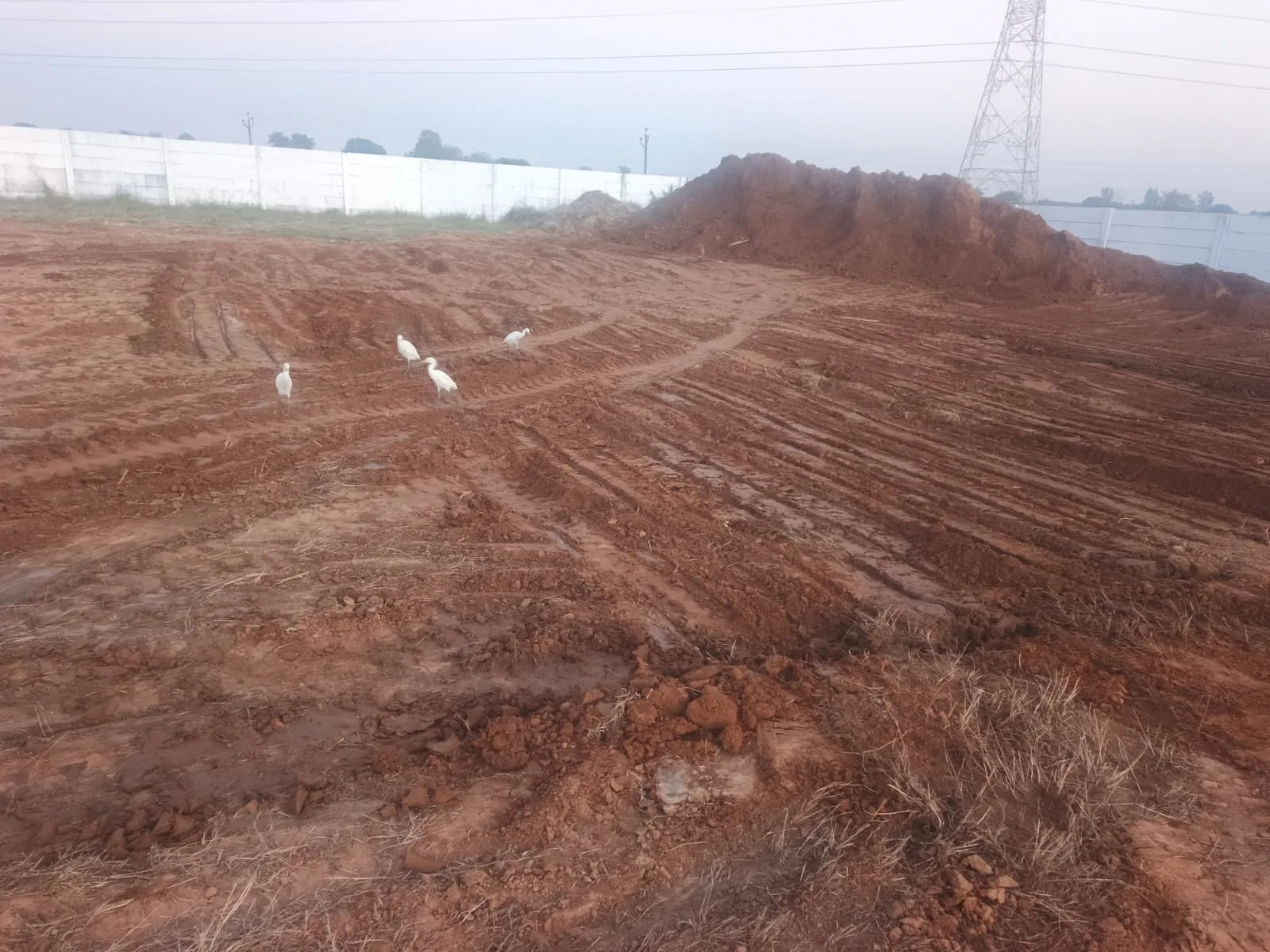
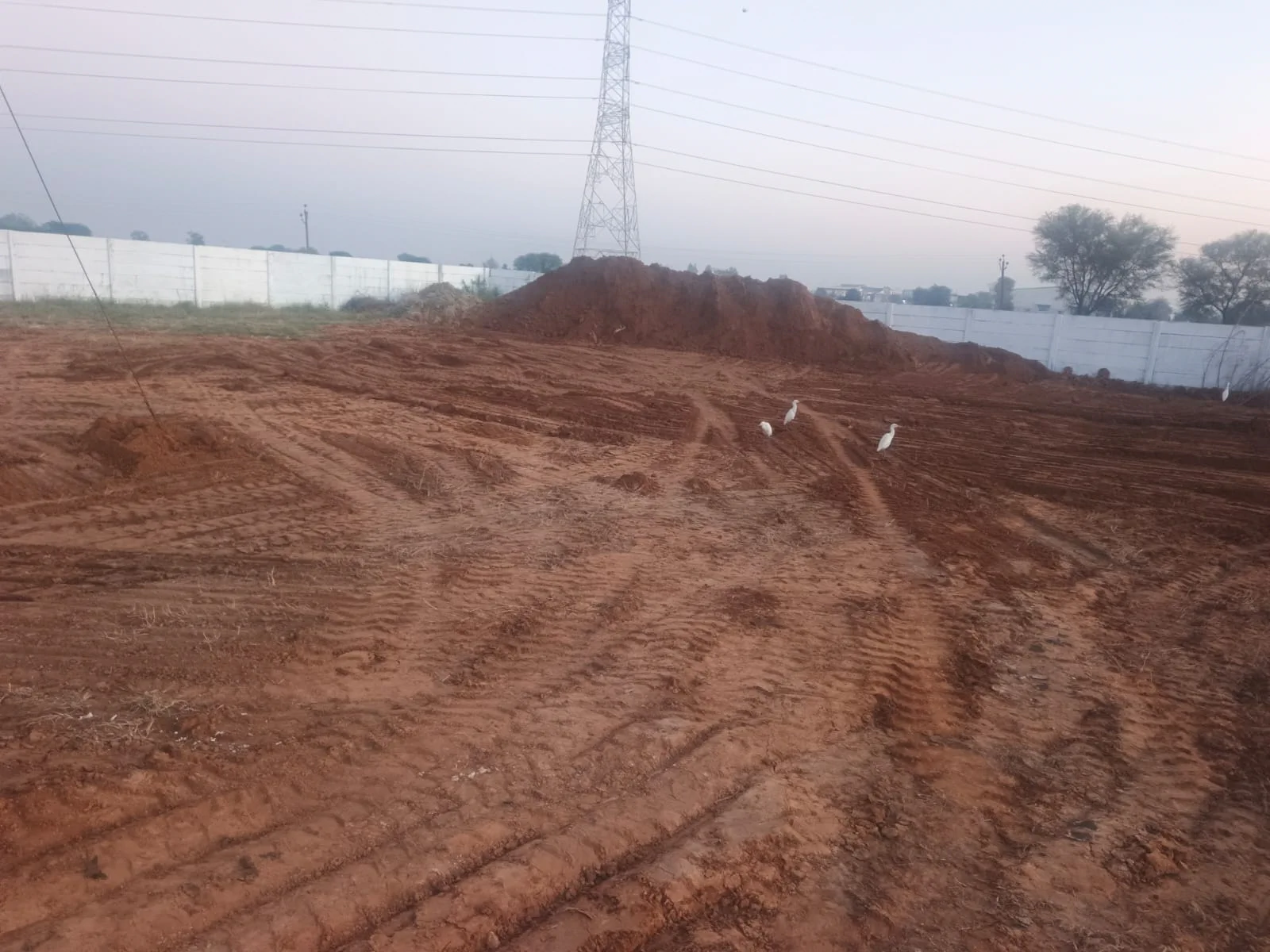
While vacuum equipment handles wet transfer, JCBs and similar handling machines are useful for positioning, loading, and moving waste containers (drums, IBCs, skips) and solid residues to the correct loading zone.
Typical field tasks
- Positioning containers near the loading area
- Handling solid residues and packaging support
- Supporting quick re-staging when the site changes access constraints
PCB units and specialized handling
For PCB-containing waste, specialized handling and dedicated units help reduce cross-contamination risk and support a controlled workflow. PCB waste management is still about compliance and documentation, but the operational discipline is stricter.
If your scope includes PCB waste, your fleet plan should spell out how storage, packaging, and loading are segregated from other streams.
HSE checklist before fleet deployment
- Verify waste category and segregation state before equipment is connected
- Confirm spill response kit availability at the loading point
- Ensure PPE availability for the loading crew and driver readiness
- Align pickup timing and manifesting documentation with the planned route
- Plan access, approach roads, and safe parking for remote sites
Frequently Asked Questions
Which asset should we use for which waste type?
Wet, suction-friendly streams usually fit vacuum tankers or vacuum transfer systems. Drums and solid residues typically need loading support such as JCBs and tippers. PCB waste should use dedicated, stricter handling workflows.
Do you provide spill response support?
A compliant fleet deployment always includes spill response planning at the loading point. Your waste partner should specify what kits and controls are used for your waste type.
How do you handle scheduling for remote drilling sites?
Scheduling is usually based on site access windows, waste volume estimates, and equipment availability. A repeatable documentation flow helps you keep manifests aligned with actual pickups.
To plan fleet-ready waste handling for your E&P site, browse our services or contact Dude Waste Management.